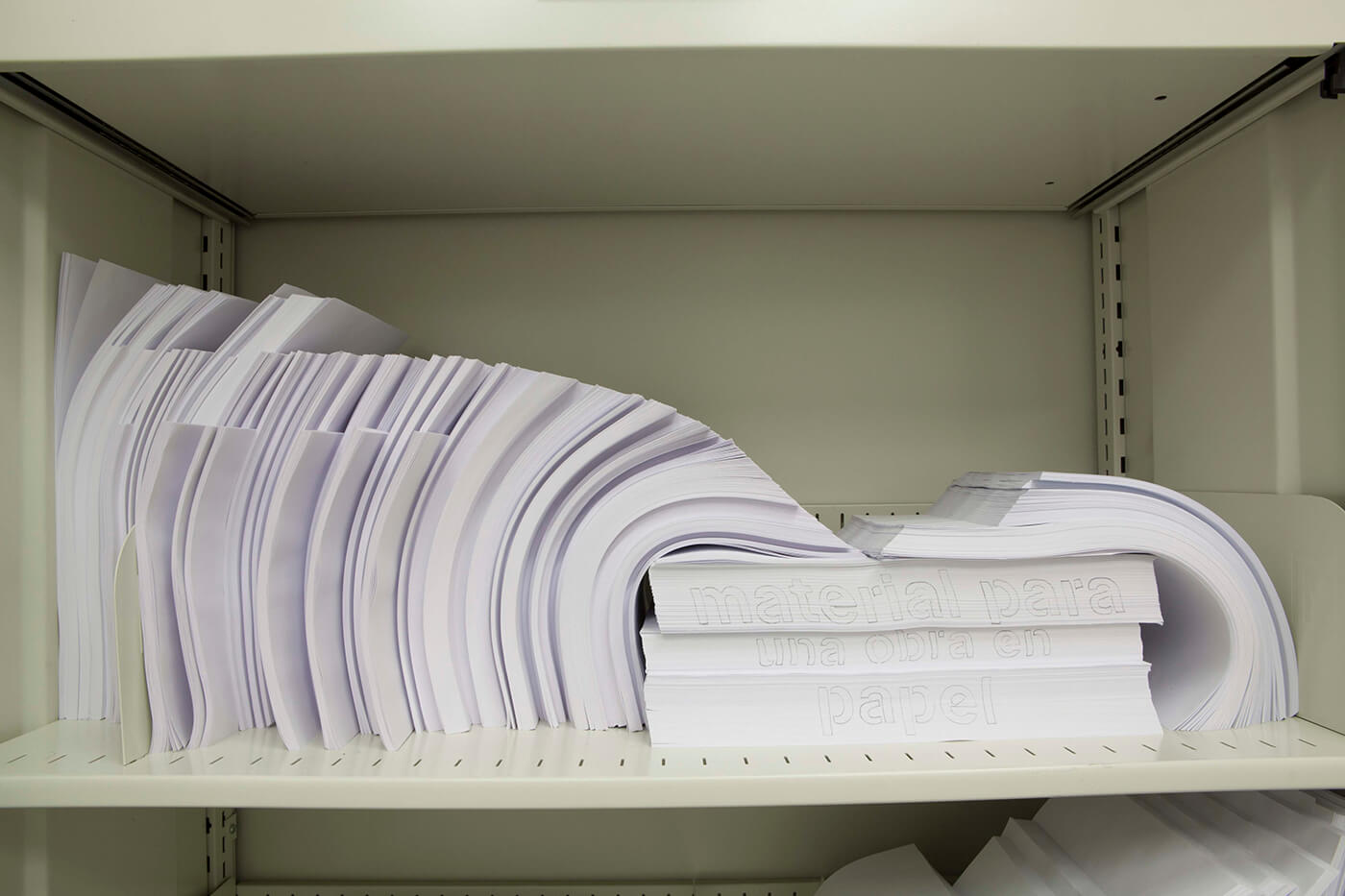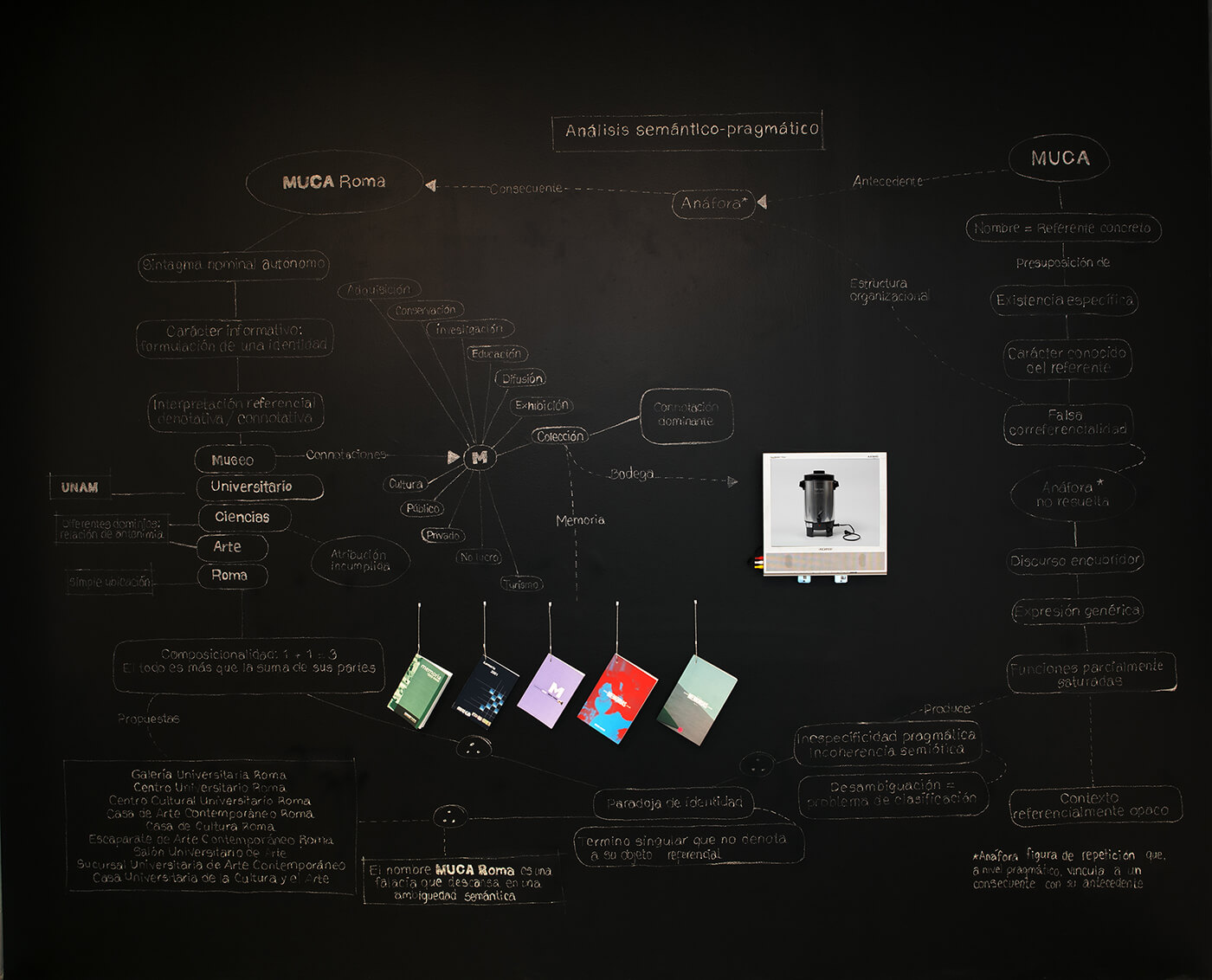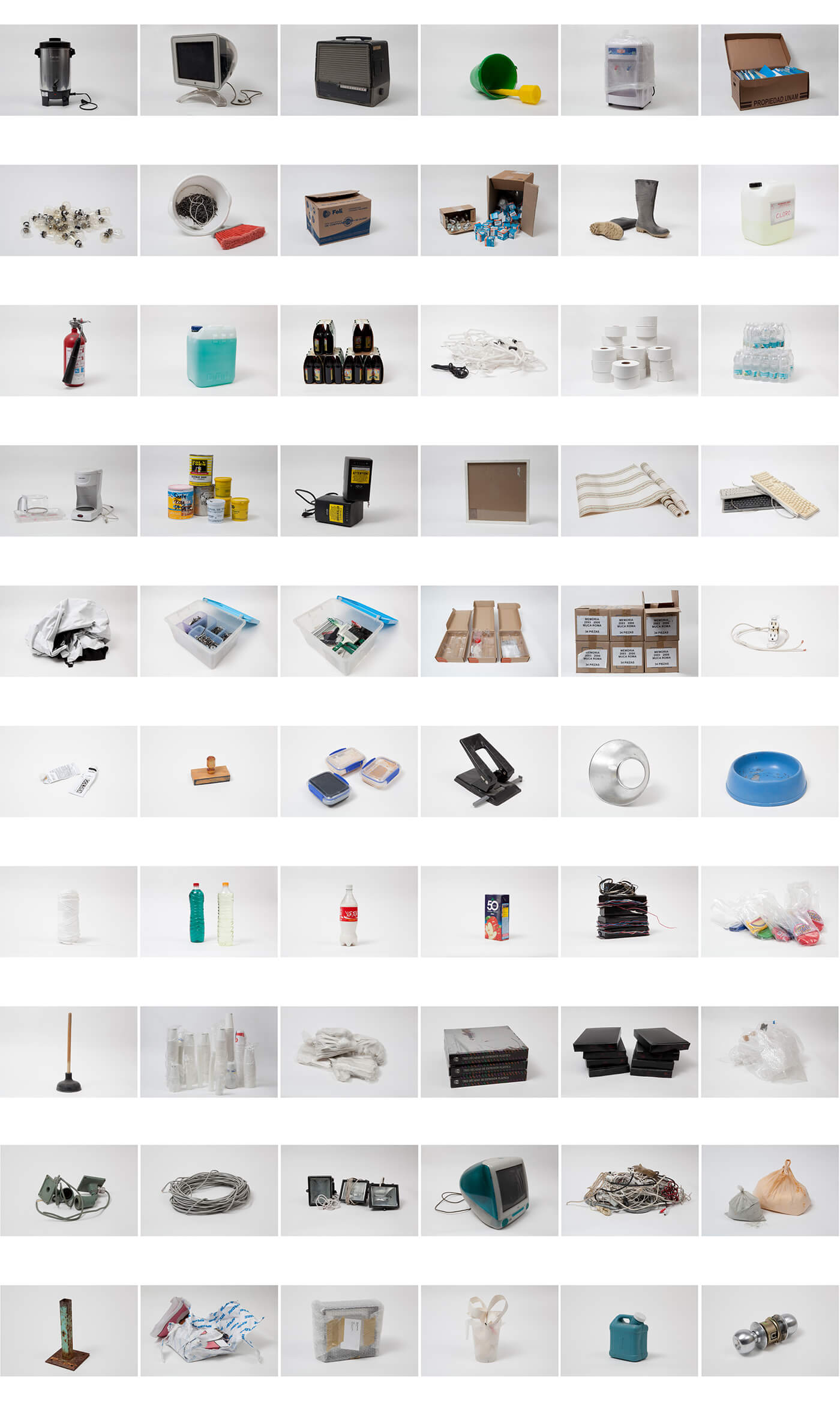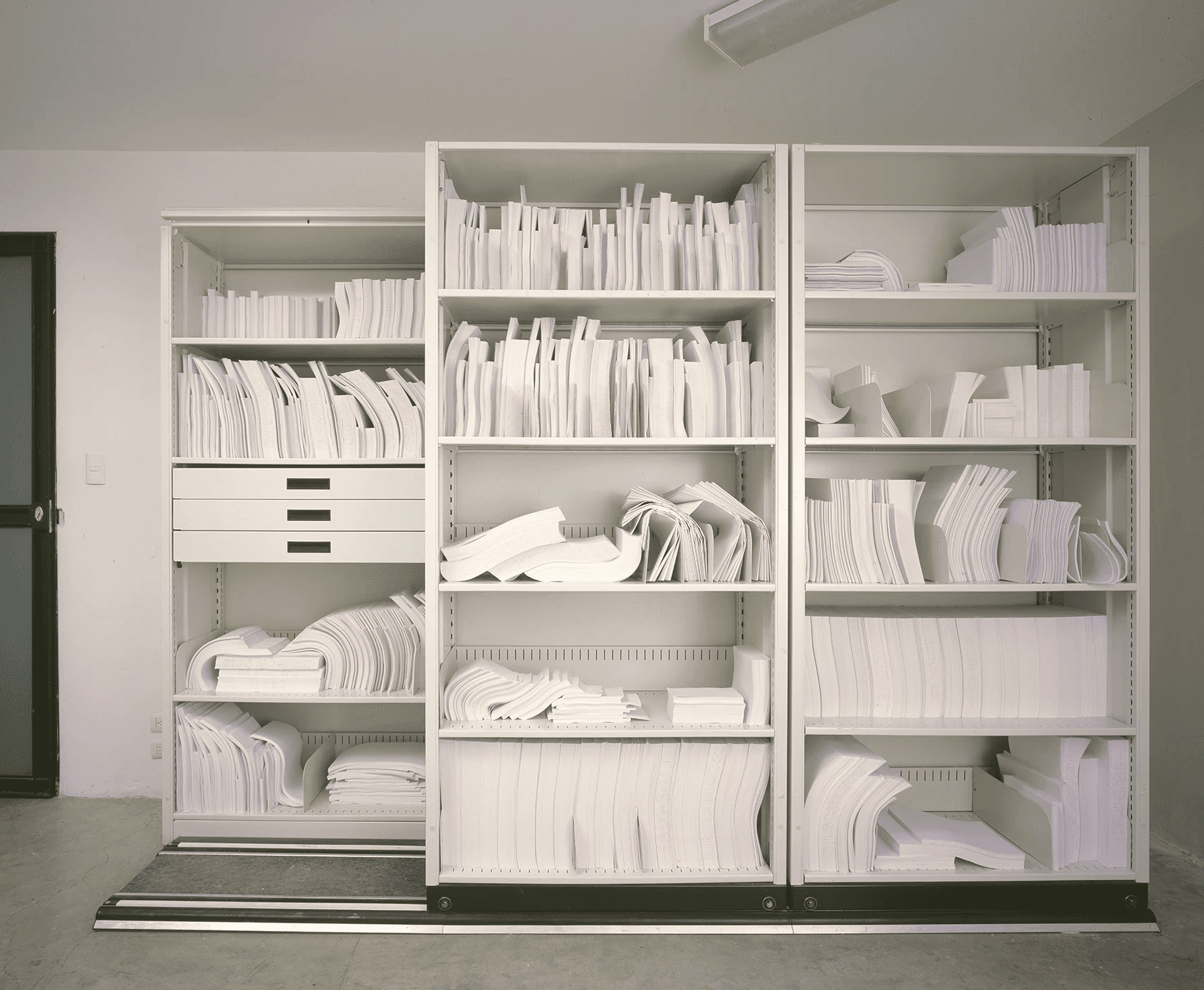
In 2012, I was invited to contribute to the MUCA Roma archive as part of the exhibition Colección, El crimen fundacional (Collection, The Foundational Crime).
I) DOCUMENTATION CENTER (MUCA)
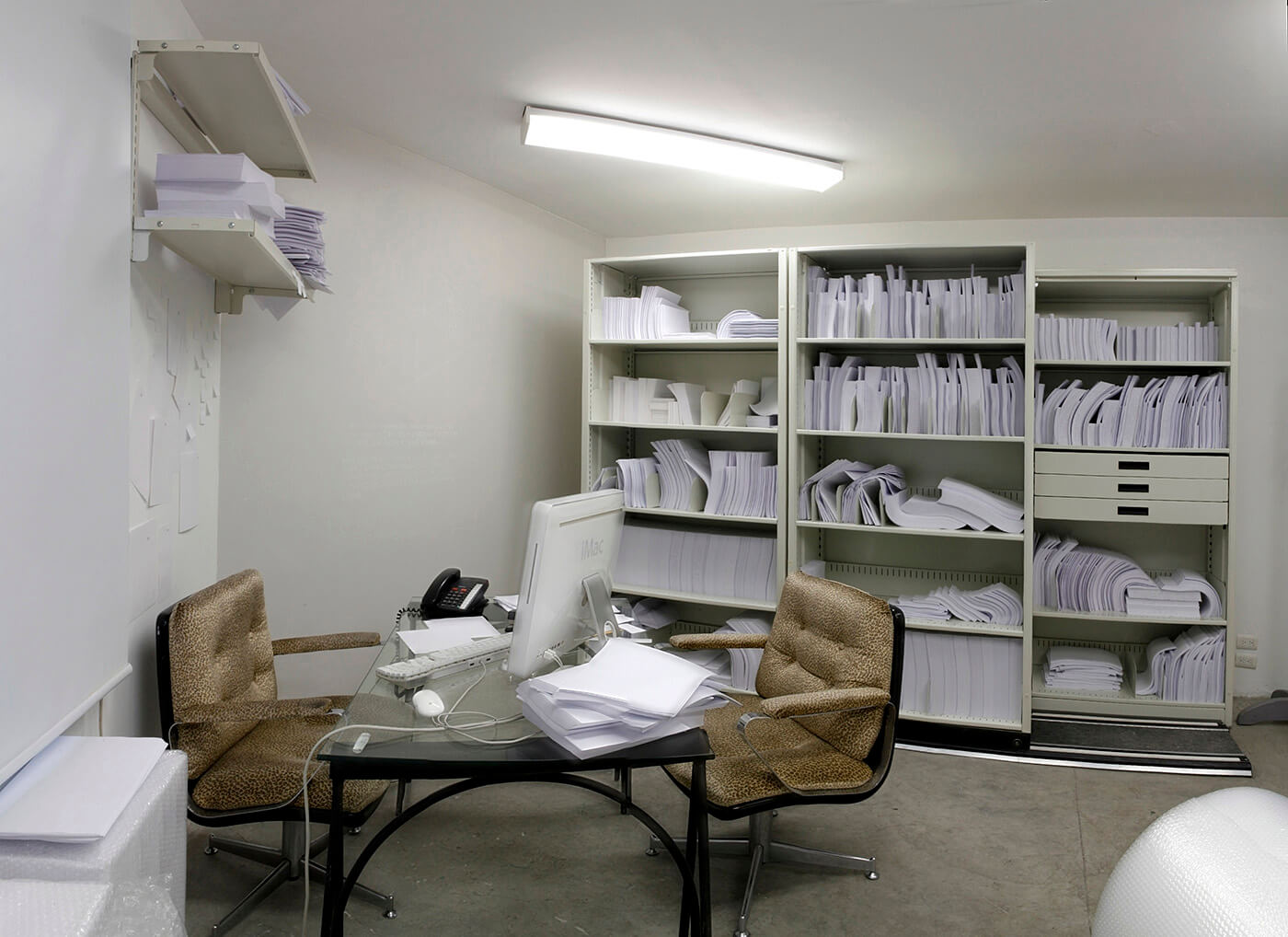
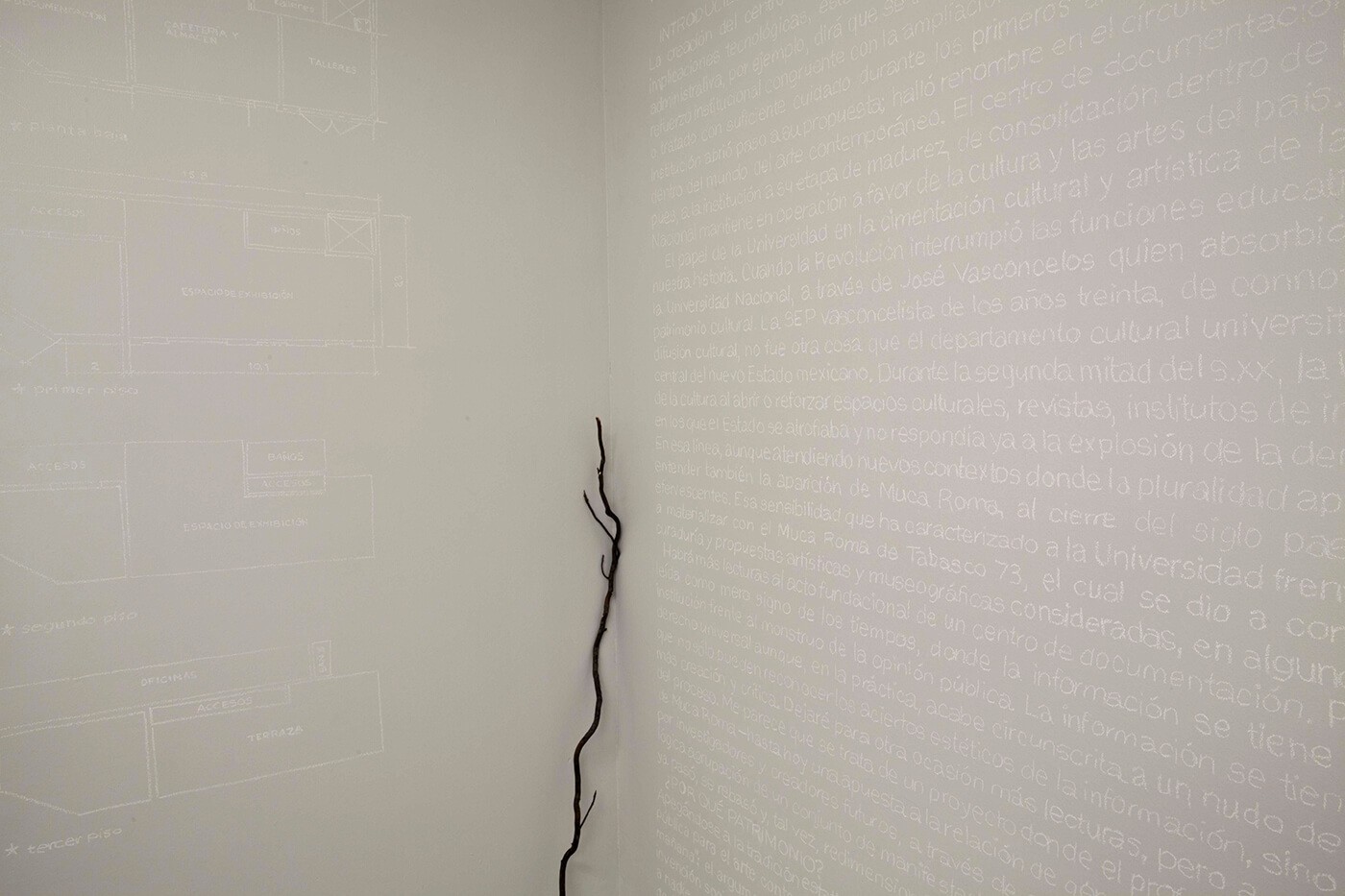
The MUCA Roma museum's documentation center was created with the aim of preserving the memory of a cultural space that was fundamental for a generation of Mexican artists. This piece bears witness to the fate of this venue, which was submerged in the prevailing bureaucracy, symptomatic of our country's cultural policy.
II) UNIVERSITY MUSEUM OF SCIENCE AND ART (MUCA)
The University Museum of Science and Art is an institution that lacks a collection of artistic or scientific objects to preserve, study, and exhibit, as established by the definition of the word “museum.” This piece was created in collaboration with José Raúl Pérez. We set out to analyze the current situation of the “Museum,” which calls itself something it is not. The action culminated in the assignment of an appropriate name for a venue of this nature.
III) MUCA
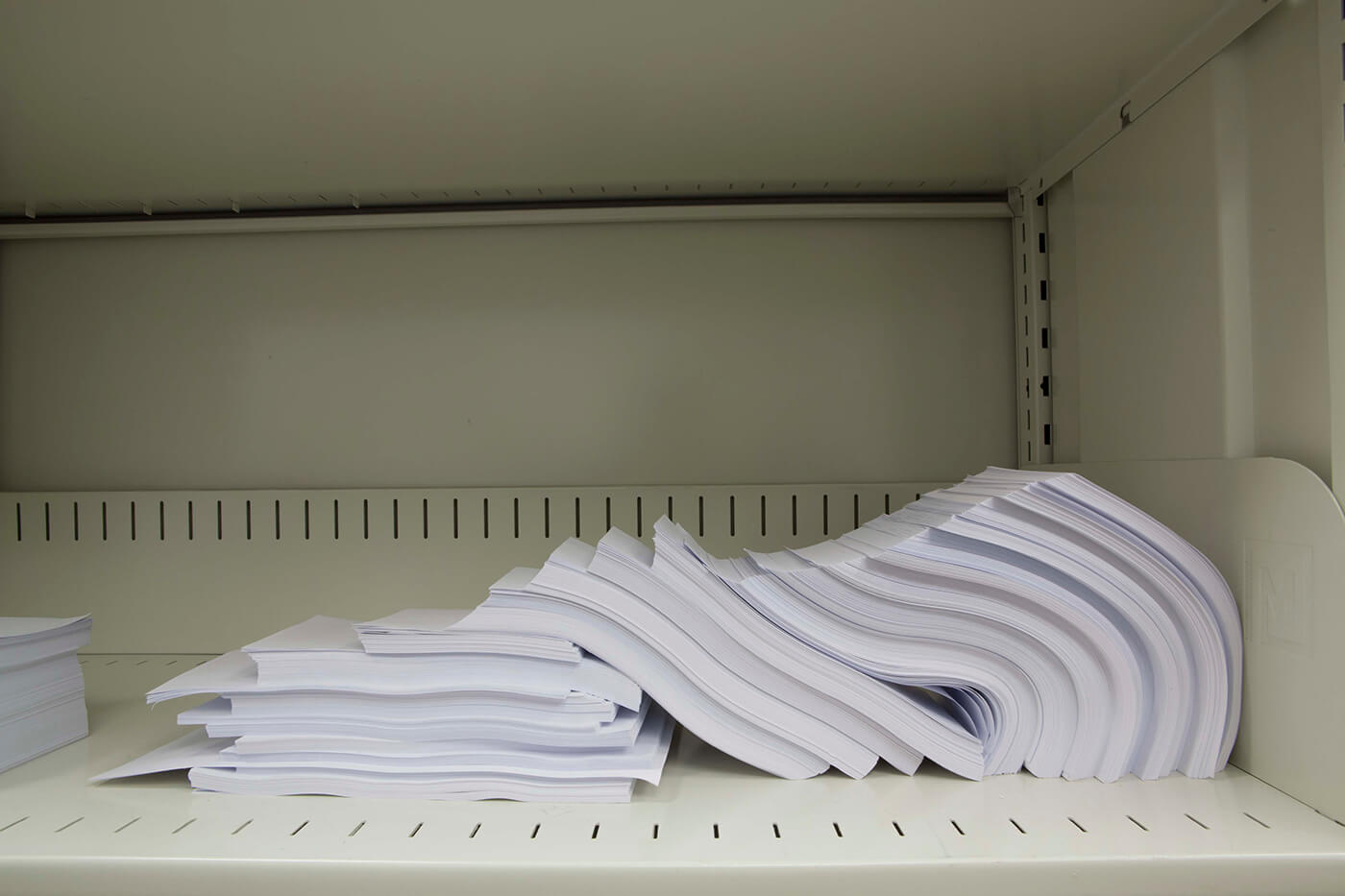
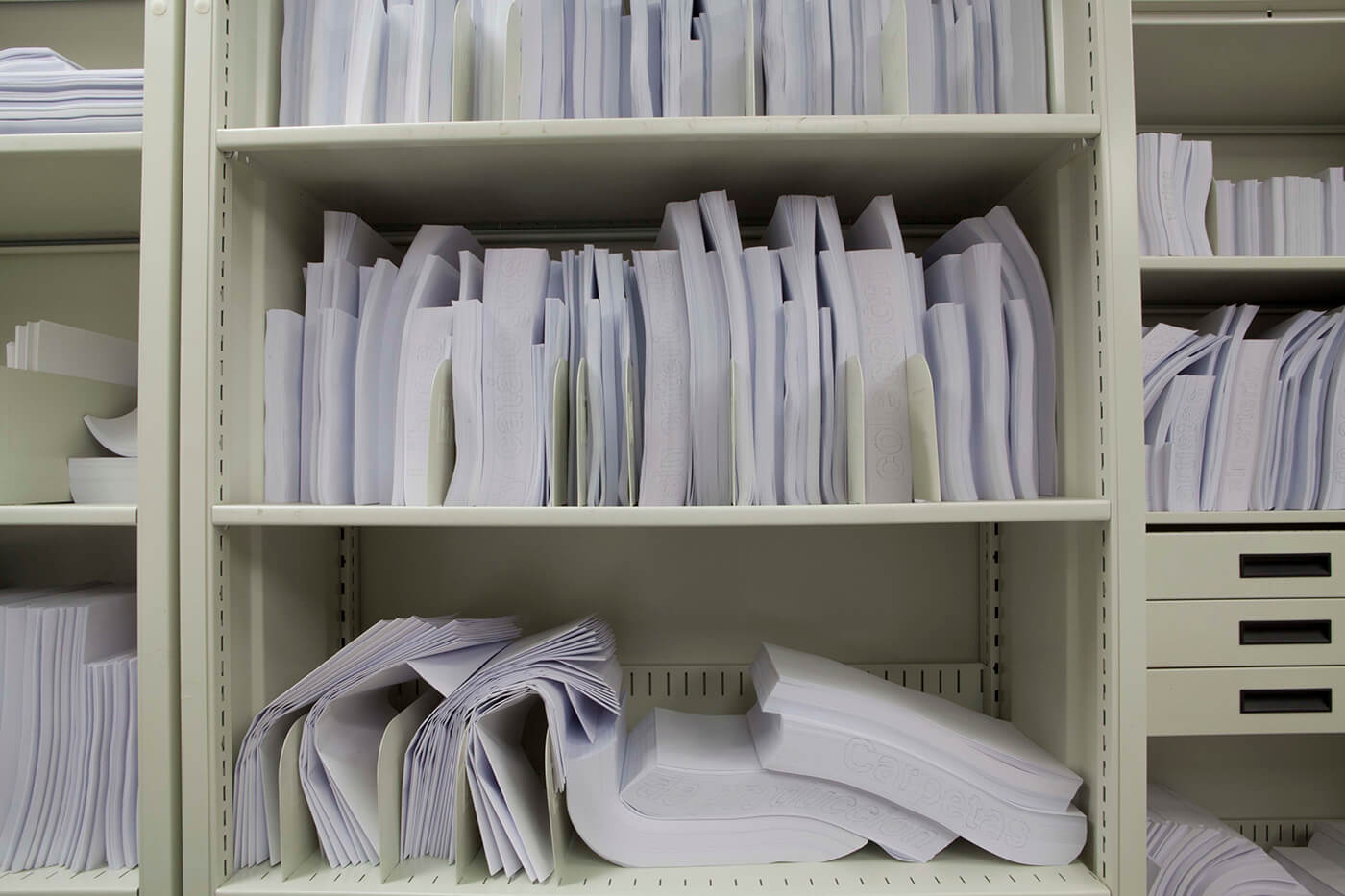
During the research for the project, I visually inventoried the contents of the museum's storage room. Shortly afterwards, I created a work for the museum using the same objects that occupied the storage room where, in theory, the collection should have been stored to ensure its preservation and promotion. This is how this first work came about, allowing the University Museum of Science and Art to retain its name.
A museum without memory
“I am a collector of moments”
Opinions of a Clown. Heinrich Böll
“Its absolute singularity […] is something that has as its field being possessed by me; which allows me to recognize myself in it as an absolutely singular being. Majestic tautology, but which constitutes all the density of the relationship with objects, their laughable ease, their illusory yet intense gratification.”
The System of Objects. Jean Baudrillard
We accumulate. We simply keep things without using them again, with the hope of being able one day to reconstruct the route that linked us to them. Postcards from an adolescent trip, love letters, pre-Hispanic figurines, photos or souvenirs, even that napkin where they wrote down a phone number that changed our lives, we treasure these objects believing that each one can hold the reflection of the moment that gave it meaning, delay its oblivion, contain time, or safeguard the secret that gave it origin. We accumulate. When we keep things, we insinuate future or retrospective journeys through substitute realms: butterflies, porcelain frogs, works of art, books, documents. With this, we create mental cartographies that we call collections.
JOSÉ PAREDES PACHO Read more
Muca Roma
MARIANNA DELLEKAMP